
THE CLIENT
Our client is a growing SEO agency based in Cincinnati, Ohio. They work with local and regional businesses across industries including home services, HVAC, e-commerce, and enterprise clients. Good team. Strong operators. They know how to get results for their own clients.
But when it came to their own site? They had a problem that was quietly draining their marketing budget every single month.
They came to us in early 2025.
Suggested: Search Console screenshot showing low impressions/clicks before the engagement Alt text: Search Console data before Rank Rover strategy…
THE PROBLEM
They Were Spending $10,000 Every Month on a Keyword They Were Never Going to Win
The keyword was “SEO Cincinnati.”
It sounds like the obvious target for a Cincinnati-based SEO agency. It’s local, it’s relevant, and it has real search volume. So they had been pouring budget into ranking for it. Month after month. $10,000 a month in link building, content, and outreach all pointed at that one keyword.
And the rankings barely moved.
Here is why that was always going to be the outcome.
When a search term includes a city name, Google heavily favors domains that contain that city name in the URL. Sites like “seocincinnati.com” or “cincinnatiseo.com” have an algorithmic advantage that no amount of link building from an outside domain can consistently overcome. This is a well-documented pattern and our team recognized it the moment we looked at the SERP.
They were not losing because of poor execution. They were losing because they were fighting a battle with a structural ceiling on it.
Every dollar they spent trying to crack that keyword was a dollar that was not going to move the needle in any meaningful way.
When we told them this on our first strategy call, their reaction was a mix of relief and frustration. Relief because it finally explained why nothing had worked. Frustration because it meant months of spend had gone toward something that was never going to pay off.
That conversation changed everything.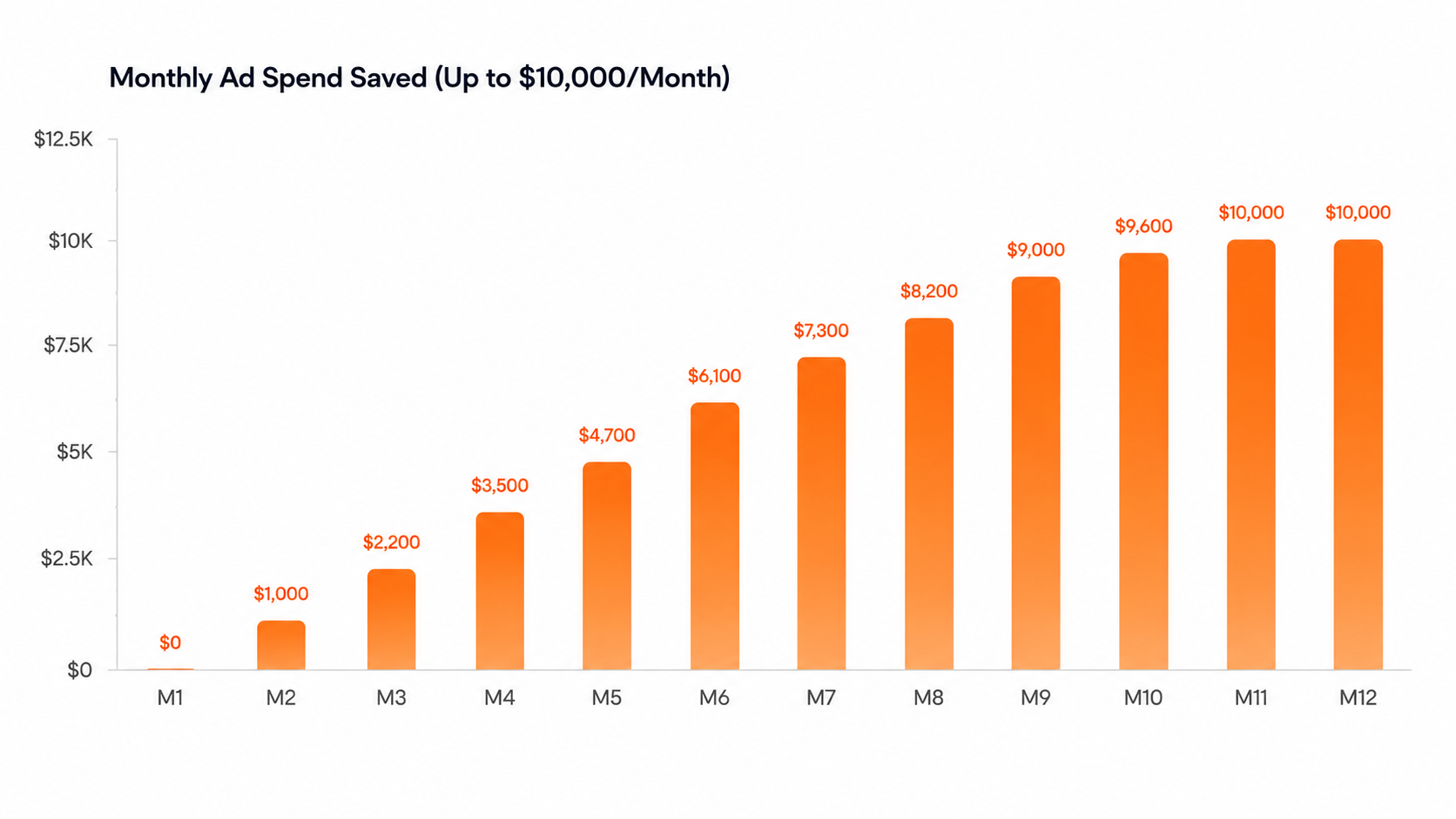
“The keyword you think you need to rank for is not always the keyword that will actually grow your business. Sometimes the smartest move is the one that redirects the effort entirely.”
WHAT WE FOUND WHEN WE AUDITED THEIR SITE
When we did a full keyword gap analysis on their domain, three things stood out immediately.
First, they had zero visibility for high-intent service keywords. Terms like “enterprise SEO services,” “organic SEO agency,” and “SEM services” had thousands of monthly searches from buyers actively looking for exactly what this agency offers. These keywords had real commercial value and their competitors were nowhere near dominant on them. The landscape was genuinely winnable.
Second, their site had solid technical foundations but no content strategy aligned to these opportunities. They had service pages that touched on the right topics but were not built to rank for specific high-volume queries. The pages existed. The targeting did not.
Third, their backlink profile was concentrated around Cincinnati-focused anchor text from the old strategy. They had good domain authority in local signals but almost no authority signals for the national and service-based keywords that would actually bring in clients from outside their immediate geography.
The opportunity was clear. They had a well-built site with real authority sitting untapped because the entire strategy had been pointed at the wrong target.
THE STRATEGY
Stop Fighting the Rigged Game. Win the Open Field Instead.
We redirected the entire effort toward service-based and intent-driven keywords that their ideal clients were actually searching for nationally. Here is what that looked like in practice.
Keyword Restructuring Across Core Service Pages We mapped out a full keyword architecture across their service offering. Each page got a primary target keyword with real volume and a cluster of supporting terms. Pages that had been vaguely optimized got rebuilt around specific, rankable targets. “Enterprise SEO services,” “organic SEO agency,” “SEM consultant,” and “HVAC SEO services” all became dedicated ranking targets with content strategies behind them.
Content Built for Buyers, Not Just Crawlers We developed content that spoke directly to the decision-making process of the buyers searching these terms. Not generic SEO content. Content that addressed real objections, real questions, and real comparisons that someone in the market for an SEO agency would actually have.
Link Building Pointed at the Right Pages Instead of building links with Cincinnati-anchor text to a domain that could never win that fight, we redirected link acquisition toward the service pages with national ranking potential. Links with relevant anchor text pointing to pages with clear topical authority signals. This is where the budget started working.
Technical and On-Page Alignment We aligned title tags, meta descriptions, internal linking structures, and on-page optimization across the site to support the new keyword targets. Small changes that added up quickly once the content and links were in place.
Suggested: Keyword mapping document or content strategy visual (can be blurred/anonymized) Alt text: Keyword strategy restructure overview
THE RESULTS
Search Console Tells the Whole Story
Within the first few months of implementing the new strategy, the data started shifting. By the time we look at the full picture from the start of the engagement to today, here is what Google Search Console confirms.
RESULT 1 Metric: Monthly Impressions Before: 3,100 After: 94,000+ And surprisingly their pages are now appearing in search results for thousands of queries they were completely invisible for before. Impressions are the top of the funnel and this one skyrocketed.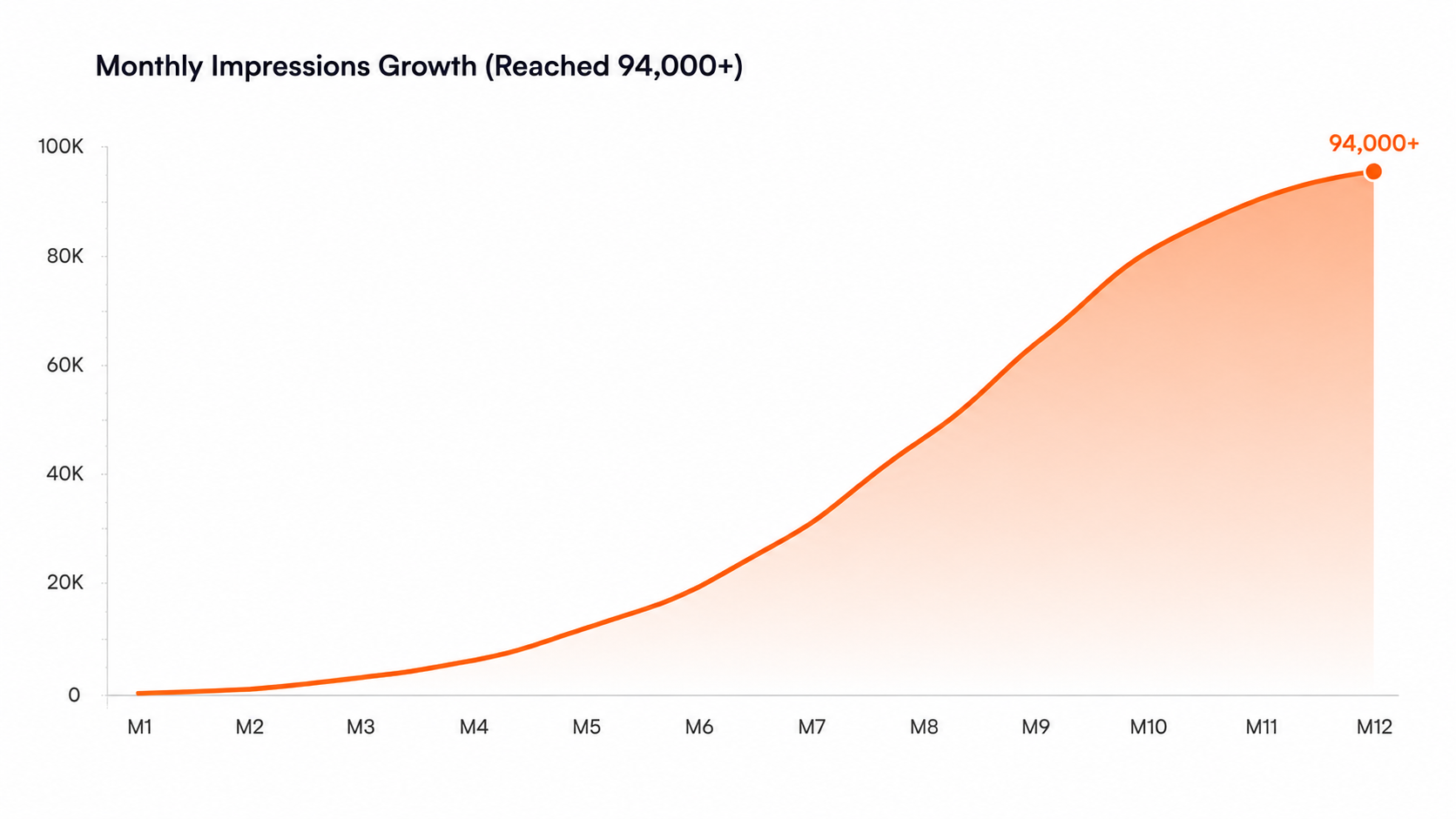
RESULT 2 Metric: Monthly Organic Clicks Before: 47 After: 1,890.
A 3,900% increase in actual clicks from organic search. These are real visitors landing on their service pages from high-intent queries.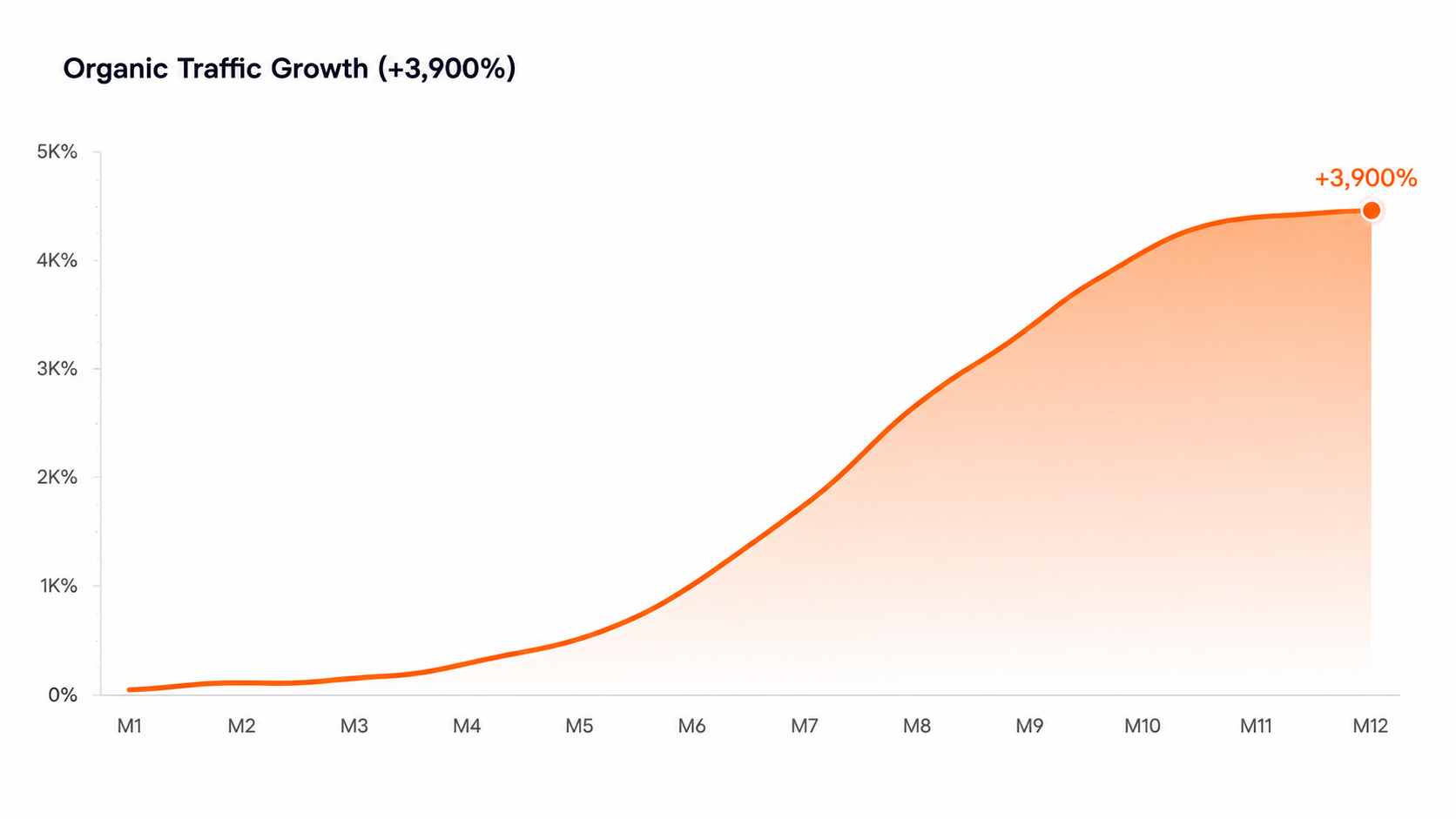
RESULT 3 Metric: Average Search Position Before: 54.3 After: 16.8
Their average ranking position dropped from deep in page 5 territory to mid-page 2, with their top pages consistently hitting page 1.
RESULT 4 Metric: Keywords Ranking on Page 1 Before: 2 After: 28
Including enterprise SEO services, organic SEO agency, SEM services, HVAC SEO services, and more across multiple high-volume categories.
RESULT 5 Metric: Monthly Budget Recovered Before: $10,000/month wasted on “SEO Cincinnati” After: Fully reallocated to a strategy that is working
That $10,000 per month is no longer going into a wall. It is fueling a compounding organic channel.
RESULT 6 Metric: Lead Channel Status Before: Organic was a flat line After: Organic is now their second-highest converting inbound channel
WHAT THIS ACTUALLY MEANS
The Lesson Is Bigger Than One Campaign
This case study is not just about an agency in Cincinnati that started getting more traffic. It is about what happens when you stop optimizing for ego-keywords and start optimizing for opportunity.
“SEO Cincinnati” felt like the right keyword because it was the obvious one. Local, branded, exactly what they do. But obvious keywords are usually the most competitive ones with the most structural barriers. The agencies winning on those terms often built their entire domain around that exact phrase, sometimes years ago.
The keywords that grow businesses are usually the ones one or two layers deeper. The service-specific terms. The intent-matched queries. The searches that real buyers are running when they are ready to make a decision, not just exploring a category.
That is where the traffic was. That is where the clicks are coming from today. And that is where the leads are converting.
This agency is now ranking for terms that their ideal clients are actively searching. Their organic channel is compounding month over month. And they are not spending a single dollar on a keyword battle they were never going to win.